





Kathryn Metz told a Los Angeles court that Don Knotts stayed out at night and sometimes went two or three days without coming home. According to an Associated Press report published at the time, she said his behavior left her upset and nervous. The report places the divorce ruling on March 17, 1966, two years later than the date given in several biographies.
What did Kathryn Metz tell the court?
Metz, who went by Kay, described a pattern of absences. She testified that Knotts would stay out at night and that some absences lasted several days. The Associated Press identified that behavior and its effect on her as the basis of her complaint. Its account appeared in the March 18, 1966.
The newspaper gives Metz’s account of the marriage in a few paragraphs. It leaves open where Knotts went, how often he stayed away, and what he said in response. The testimony is the clearest public explanation for why she sought the divorce. Descriptions that assign a motive to his absences go beyond what the report establishes.
Did Kathryn Metz and Don Knotts divorce in 1964 or 1966?
The Los Angeles Times obituary and a later People profile both list 1964 as the end of the marriage. Two wire-service reports published in March 1966 put the court action in Los Angeles that month. The Associated Press said the divorce was granted on a Thursday, which was March 17. United Press International coverage published the following day also reported that a Superior Court judge granted the divorce after 18 years of marriage.
The reports written at the time give March 17, 1966, the strongest support as the date of the reported ruling. The source of the 1964 date remains unclear. The available accounts do not establish when the couple first separated, when Metz filed, or whether a separate final decree was entered later.
How did Kathryn Metz and Don Knotts meet?
Metz and Knotts met as students at West Virginia University after he returned from serving in World War II. In Andy and Don, biographer Daniel de Visé places their meeting at a campus sorority gathering that Knotts attended with a friend. Metz studied speech and English and already knew of Knotts through his work in the drama department. They married on December 27, 1947, at the First Baptist Church in Wheeling, West Virginia, where her father was a minister.


In the early years of their marriage, they spent a short period in Arizona while Knotts tried graduate school, then returned to West Virginia and eventually moved to New York as he pursued work in entertainment. By February 1960, they were living in California. De Visé describes the couple playing bridge at friends’ home on the night Knotts saw Andy Griffith play Sheriff Andy Taylor on The Danny Thomas Show. Knotts called Griffith the next day with the idea that the sheriff needed a deputy.
What happened to their children after the divorce?
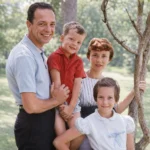
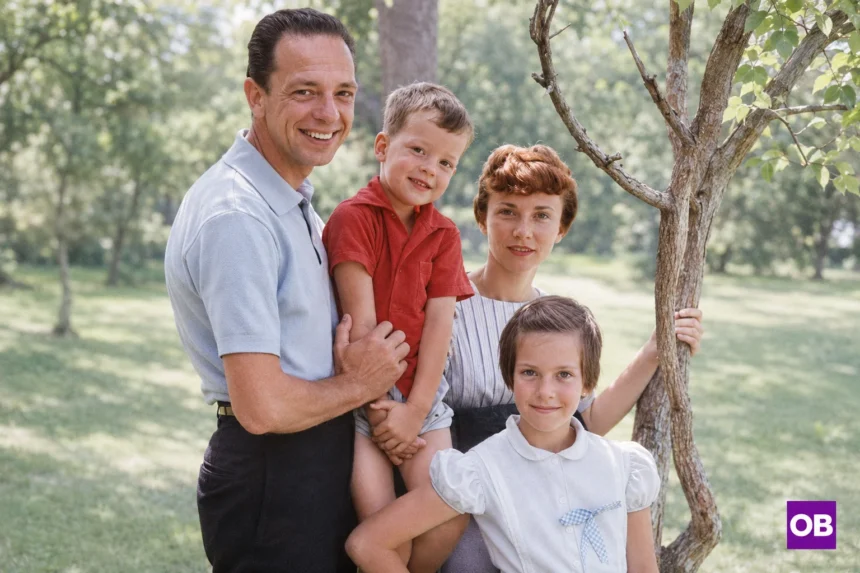
Kathryn and Don had two children, Karen and Thomas. A family portrait published in West Virginia University’s alumni magazine in the summer of 1961 shows all four together. Karen later remembered growing up in Glendale, California, where her father was recognizable enough for fans to come by for autographs. She also remembered going on weekend picnics near Brand Park with her brother.
The 1966 United Press International report said Kathryn was awarded custody of both children and received the family home. Karen later described a change in her own living arrangements. In a 2006 interview on Larry King Live, she said she chose to live with her father after her mother moved to a ranch. Her account gives a reason for that choice and describes where she lived after the split. The newspaper account describes the custody decision at the time of the ruling.
Who did Don Knotts marry after Kathryn Metz?
Don Knotts married Loralee Czuchna in 1974. That marriage ended in 1983. He married Frances Yarborough in 2002, and they remained married until his death in 2006. The 1966 reporting concerns his first marriage and preserves something later accounts often leave out: Kathryn Metz’s own explanation of what had made life at home difficult for her.